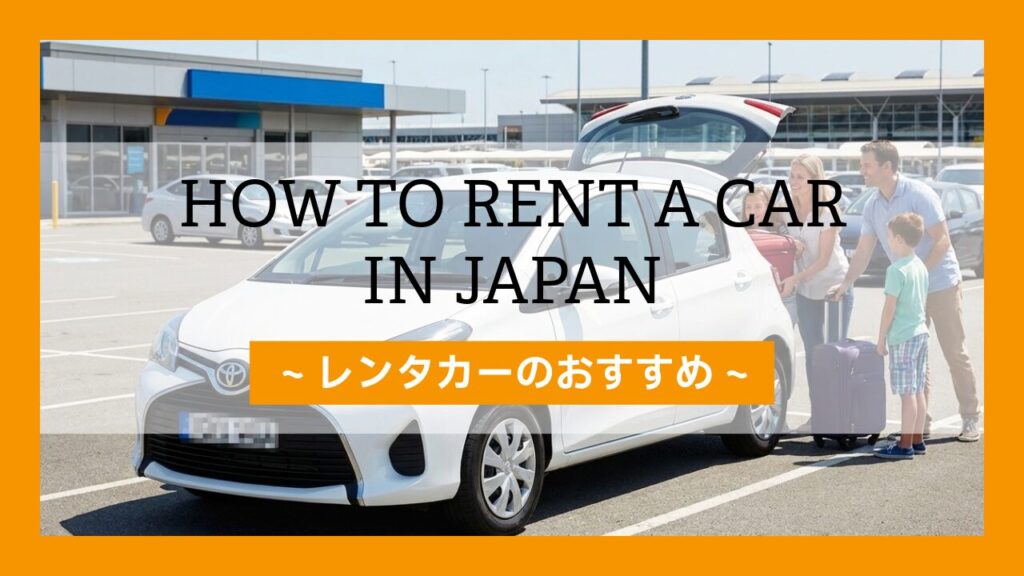
Japan is full of hidden gems—breathtaking landscapes, historic shrines, and local soul foods that you won’t find in Tokyo or Osaka.
However, there is one challenge every traveler faces in rural areas: the complexity of public transport. If you want to explore with total freedom, this Rent a car in Japan Guide is for you. As I shared in my Fukui trip, missing a single bus can sometimes ruin your entire day.
I wrote about it in this article 👇
That’s where renting a car becomes your “magic ticket.”
With your own wheels, you are no longer a slave to sparse train schedules or crowded loop buses. You can stop whenever you see a beautiful view, change your plans on a whim, and reach those stunning spots that buses simply don’t go to.
In this post, I’ll guide you through everything you need to know about renting a car in Japan so you can enjoy the ultimate freedom on your next adventure!
Section 1: The “Must-Have” Trio for Renting a Car in Japan
Before you get behind the wheel, there are three essential items you must bring to the rental counter. Without these, even if you have a reservation, you won’t be allowed to drive!
- 1. International Driving Permit (IDP)
- This is the most important document. It must be issued based on the 1949 Geneva Convention.
- Crucial Tip: You must obtain this in your home country before you arrive in Japan. You cannot get one after you land!
- 2. Your Physical Home Country Driver’s License
- Even if you have an IDP, rental companies still need to see your original, valid license from your home country. Don’t leave it in your hotel safe!
- 3. Your Passport
- The staff will need to verify your identity and your entry date into Japan (visa status).
Special Note for Travelers from Switzerland, Germany, France, Belgium, Monaco, and Taiwan: Instead of an IDP, you will need a Japanese Translation of your license issued by the JAF (Japan Automobile Federation) or your embassy. Make sure to check this early!
Section 2: Step-by-Step Guide to Booking Your Car
Booking a car in Japan is simple, but it requires a bit of planning. To ensure you get the right vehicle at the best price, follow these steps:
Book Online in Advance
- Rental cars are in high demand, especially in popular areas like Fukui or Hokkaido. I highly recommend booking at least 2-4 weeks in advance.
- Use major comparison sites (like Klook or Tabirai) to find the best deals from reliable companies like Toyota Rent-a-Car, Nippon Rent-a-Car, or Times Car Rental.
Select the Right Options
- English GPS (Navigation): Most cars have them, but it’s safer to request one.
- ETC Card Rental: This is a must if you plan to use expressways. It allows you to pay tolls automatically without stopping at cash booths.
- Insurance (CDW/NOC): For peace of mind, always opt for full insurance coverage. Japanese roads can be narrow!
Choose Your Pick-up Location
- Most major train stations (like Tokyo Station) have rental offices within a 5-minute walk. This makes it incredibly easy to switch from the Shinkansen to your car.
Arrival at the Counter
- On the day, show your “3-piece set” (IDP, License, Passport). The staff will explain the basic functions of the car and check for any existing scratches with you.
Section 3: Driving in Japan – Important Rules & Tips
Driving in a foreign country can be nerve-wracking! Here are the essential rules you need to know to stay safe and avoid fines on Japanese roads.
1. Keep to the Left!
- Japan drives on the left side of the road, and the driver sits on the right. If you’re from the US or Europe, take it slow for the first 10 minutes until you get used to it!
2. Strict “No Alcohol” Policy
- Japan has zero tolerance for drinking and driving. Even a tiny amount of alcohol can lead to severe penalties or even arrest. Never drink and drive!
3. No “Right Turn on Red”
- Unlike some countries, you must always wait for a green light to turn, even if the road is clear.
- First of all, you must slow down and come to a stop when the light turns yellow.
4. When turning left or right, always use your turn signal
- This is stipulated by Japan’s Road Traffic Act. Please be sure to use it.
5. Use “P” Parking Lots
- Street parking is very rare in Japan. Always look for a designated parking lot with a “P” sign.
- Some tourist spots do not have parking lots (to prevent congestion). It’s best to check if your destination has parking available for peace of mind.
6. Watch out for one-way streets
- Japan has many narrow roads in some areas, and some roads are one-way.
- Even Japanese people sometimes get it wrong, so be sure to check the signs and navigation carefully.
7. Fasten your seatbelt
- All passengers must fasten their seat belts. The Road Traffic Act of Japan mandates the wearing of seat belts.
- Many modern vehicles will activate warning sounds or warning lights if the seatbelt is not fastened.
7. Refueling (Gas Stations)
- Most rental cars take “Regular” gas (red handle). When you return the car, look for a gas station near the rental office and say: “Regular, Full tank, please” (Regular Mantan de).
Section 4: Recommended Rental Companies & Sites
Now that you’re ready, which company should you choose? Here are the most reliable options for international travelers.”
1. The Best Way to Compare: Tabirai Japan
For international travelers, I highly recommend using Tabirai Japan. It’s a comparison site that lets you search for the best deals across all major rental companies at once.
- Why I love it:
- English Support: They have a dedicated English booking site.
- Safety First: All plans automatically include Insurance (CDW) and a Multi-language GPS. No hidden fees!
- Trustworthy: They only partner with top-tier rental brands, so you don’t have to worry about the quality of the car.
If you want a stress-free experience from start to finish, this is the best place to start your journey.
2. The Big Names (Reliable & High Quality)
While comparison sites are great, knowing the specific strengths of Japan’s ‘Big 3’ rental companies will help you pick the perfect one for your needs.
- Toyota Rent-a-Car: The King of Reliability
- Strength: The largest network in Japan with the most cars.
- Why choose them? If you want to drive a specific Toyota model (like a fuel-efficient Prius or a cute Yaris), this is the place. Their cars are always impeccably maintained and nearly brand new.
- Best for: Travelers who prioritize a wide range of vehicle options and total peace of mind.
- Nippon Rent-A-Car: Great English Support
- Strength: 24/7 multilingual support and many locations near Shinkansen stations.
- Why choose them? They are very foreigner-friendly and often have staff who can assist you in English. They also offer a wide variety of car brands (not just Toyota).
- Best for: First-time drivers in Japan who might feel nervous and want reliable support.
- Times Car Rental: Value & Speed
- Strength: Known for being slightly more affordable among the big brands.
- Why choose them? They have a very efficient pick-up process and many “Ekimae” (station-front) locations. They often have great compact cars (K-cars) that are perfect for narrow Japanese roads.
- Best for: Budget-conscious travelers who still want a high-quality, professional service.
Which one should you pick? Honestly, they are all great!
That’s why I recommend using [Tabirai Japan] to see which of these big names has the best deal for your specific dates and location.
Final Thoughts
Your Journey, Your Rules
Looking back at my Fukui trip, I realized that while Japan’s trains are amazing, they don’t go everywhere. Renting a car is the key to unlocking the true beauty of Japan’s countryside—from hidden shrines to those perfect seaside views.
If you’re nervous about driving in a foreign country, that’s completely normal!
But with a little preparation and a reliable rental car, you’ll find that the freedom of the open road is worth every bit of effort. Don’t let a missed bus ruin your day like it almost did mine.
Get your IDP ready, book your car, and go explore the “real” Japan!
Safe travels, and see you on the road!🚗✨
If you’re struggling to decide on a travel destination, be sure to check out my travelogue!
Recommended Travelogues
- Adulting at Tokyo DisneySea: My 15-Year Comeback & Fantasy Springs Guide

- Adulting at Tokyo DisneyLand: My 15-Year Comeback Guide

- Atami Travel Guide: Ocean View Onsen & Hatsushima Island

- Dragon Quest Island Guide: Become the Hero in a Real-Life RPG at Nijigen No Mori!
- Ise-Shima 2-Day Itinerary: Why 1 Night is Never