Hi, I’m Lilia! I’m so happy you’re planning a trip to my home country.
Japan is a beautiful place, but as a local, I’ve noticed many travelers struggle with things like finding trash cans, using trains, or finding the best “Kawaii” spots. To help you have the best experience, I’ve put together a list of 6 essential things you should know before you arrive.
From setting up your transit card to the secret of finding hidden gems, here is your ultimate local guide to getting ready for Japan!
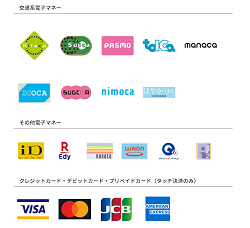
Set up Suica or ICOCA on Your Smartphone
One of the first things you should do before arriving in Japan is to add a transit card to your smartphone. In Japan, we use IC cards like Suica or ICOCA for almost everything—trains, buses, and even convenience stores!
Why on your phone? Because you don’t have to wait in long lines at the ticket machines, and you can top up your balance anytime using your credit card. It’s a huge time-saver!
If you have an iPhone, simply go to your ‘Wallet’ app, tap the ‘+’ button, select ‘Transit Card,’ and search for Suica or ICOCA. You can start with a small amount and you’re ready to tap and go as soon as you land at the airport!
Lilia’s Special Tip!
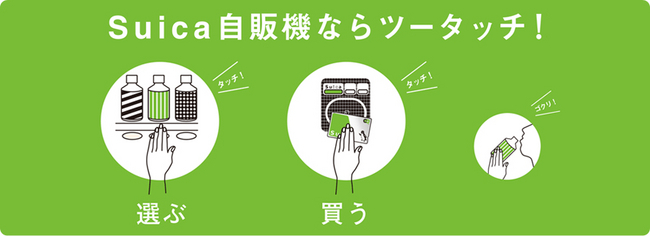
You can also use touch payment on vending machines that have the mark like the one in the image on the right.
However, please note that it may not be available on all vending machines!
Please check the available payment methods and whether this image is present.
Suica & ICOCA iPhone app
Suica & ICOCA Android app
cited from : https://j.cocacola.co.jp/info/faq/detail.htm?faq=20942
cited from : https://prtimes.jp/main/html/rd/p/000000078.000001667.html
Press the button for the drink you want to buy, then touch
Check Business Hours & Book in Advance
I know you have a long list of places to visit, but here is a local secret: many ‘Kawaii’ cafes and trendy shops in Japan have unique business hours or require advanced reservations.
Some popular themed cafes or Instagrammable spots can be fully booked weeks in advance. Also, many smaller boutiques or local cafes may close earlier than you expect or have irregular holidays. To avoid arriving at a closed door, always check their official Instagram or website the day before!
Using platforms like ‘TableCheck’ or ‘Hot Pepper’ can help you secure a seat. Trust me, having a reservation will make your day much more relaxed and enjoyable.
Lilia’s Special Tip!
Buffet (all-you-can-eat) services and ‘Kawaii’ cafes may have time limits, such as 90 minutes. Japan is particularly strict about time, so arriving on time and checking the menu in advance will help you make the most of your time!
TableCheck & HOT PEPPER

Carry a Small Trash Bag
One thing that surprises many travelers is how few trash cans there are on the streets of Japan. You might walk for blocks without finding a single one! This is because, in Japan, the general rule is to take your trash home with you to keep the city clean.
I highly recommend carrying a small, reusable bag or a few plastic bags in your daypack. When you enjoy street food or finish a drink, you can simply put the trash in your bag and dispose of it later at your hotel or at some convenience stores (though even convenience stores are removing outside bins lately).
It’s a small habit, but it’s the best way to travel like a local and keep Japan’s beautiful streets clean!
Lilia’s Special Tip!
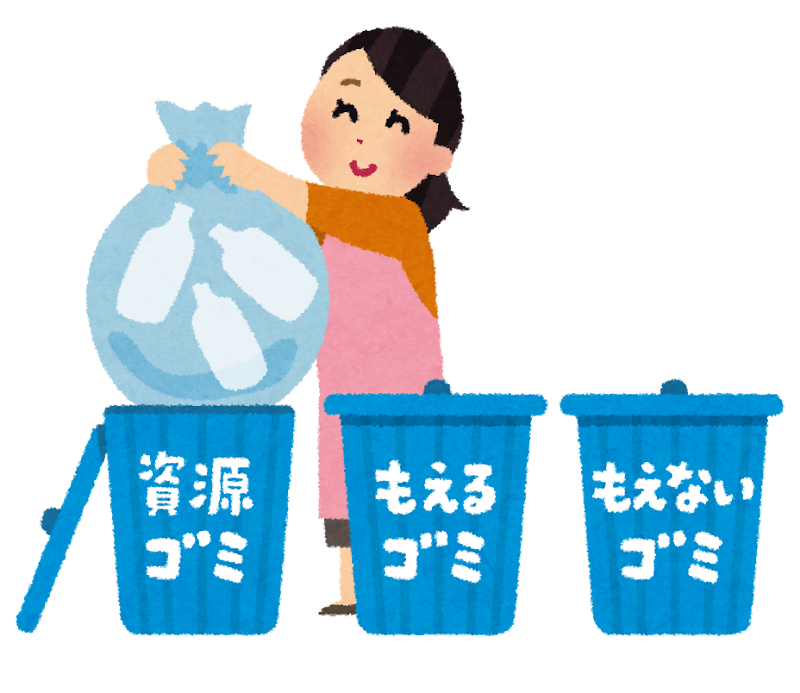
It would be great if you could even separate your trash!
In Japan, it is customary to separate trash in order to reuse it as resources.
Trash bins are often labeled with things like “burnable trash” or “plastic bottles,” so try to put your trash in according to the label.
Download a Translation App
While people in Japan are incredibly kind and helpful, English is not widely spoken once you step away from major airports or international hotels. You might find it challenging to read menus at local ‘Kawaii’ cafes or ask for specific directions.
To make your communication smooth, I highly recommend downloading a translation app before you arrive. Google Translate is a classic, but many travelers also love ‘VoiceTra’ (a Japan-made app) for its accuracy with Japanese nuances.
Don’t be shy! Just showing a translated screen to a staff member with a smile works perfectly. It’s the best way to connect with locals and get the help you need.
Lilia’s Special Tip!
Japanese people are particularly kind to kind people.
Try saying “Sumimasen” (excuse me) in Japanese, then using a translation app to have a conversation.
And at the end, be sure to say “arigatou” (thank you)!

Bring a Reusable Eco-bag
In Japan, most stores (including convenience stores and supermarkets) now charge a small fee for plastic bags. While it’s only a few yen, those small costs can add up—and more importantly, using your own bag is much more eco-friendly!
I recommend always keeping a foldable eco-bag in your purse or backpack. It’s perfect for carrying your ‘Kawaii’ finds, snacks, or even a light jacket when the weather changes. Since you’ll likely be doing a lot of shopping in Japan, having a sturdy bag is a must!
Lilia’s Special Tip!
JaDon’t worry if you forget your eco-bag. As mentioned earlier, the plastic bags you buy can also be used as garbage bags!
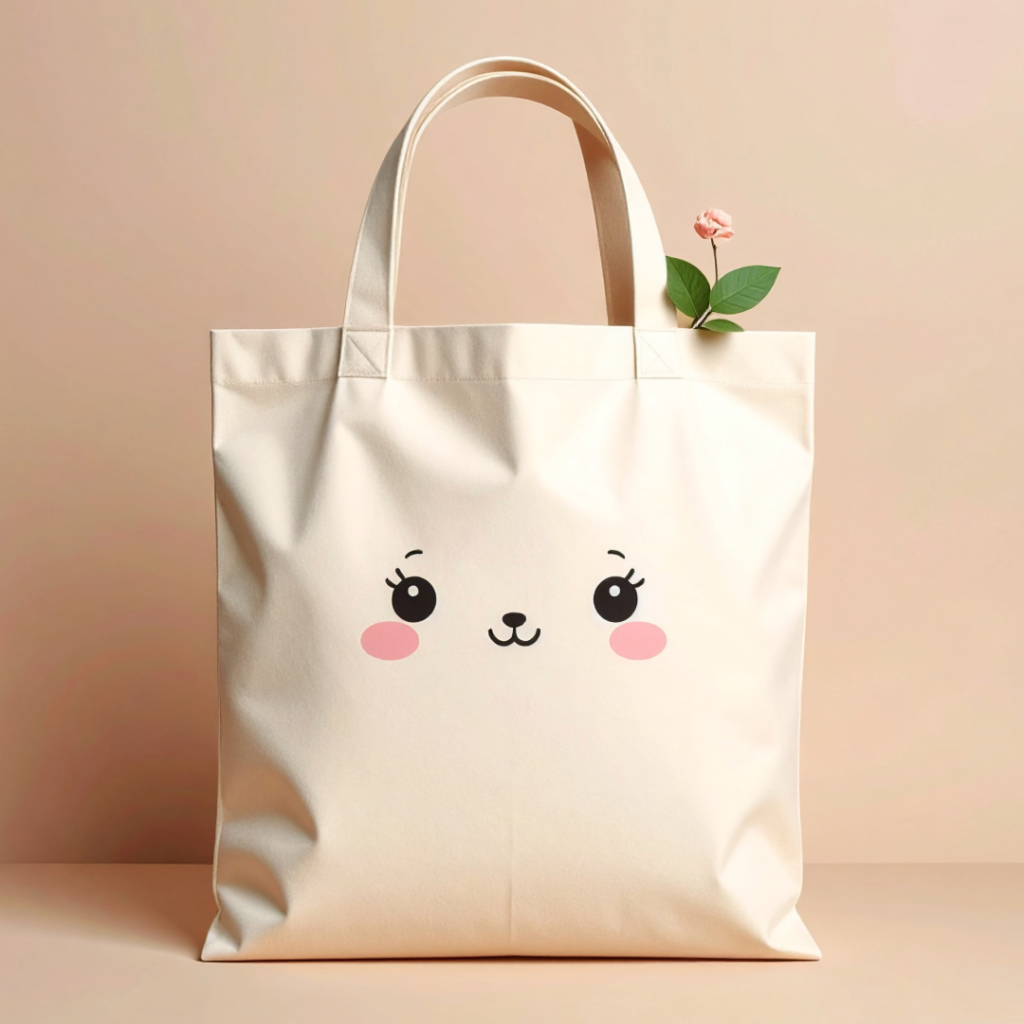
Eco-bag culture is deeply rooted in Japan, where eco-bags in a variety of designs are sold.
Loft, Hands, Sanrio shops, and more have cute eco-bags that can be folded up small.
If you buy a cute eco-bag in Japan, you can bring a piece of Japanese culture back with you. Even after you return home, using it for your daily shopping will bring back memories of your trip!
Mind the Four Seasons
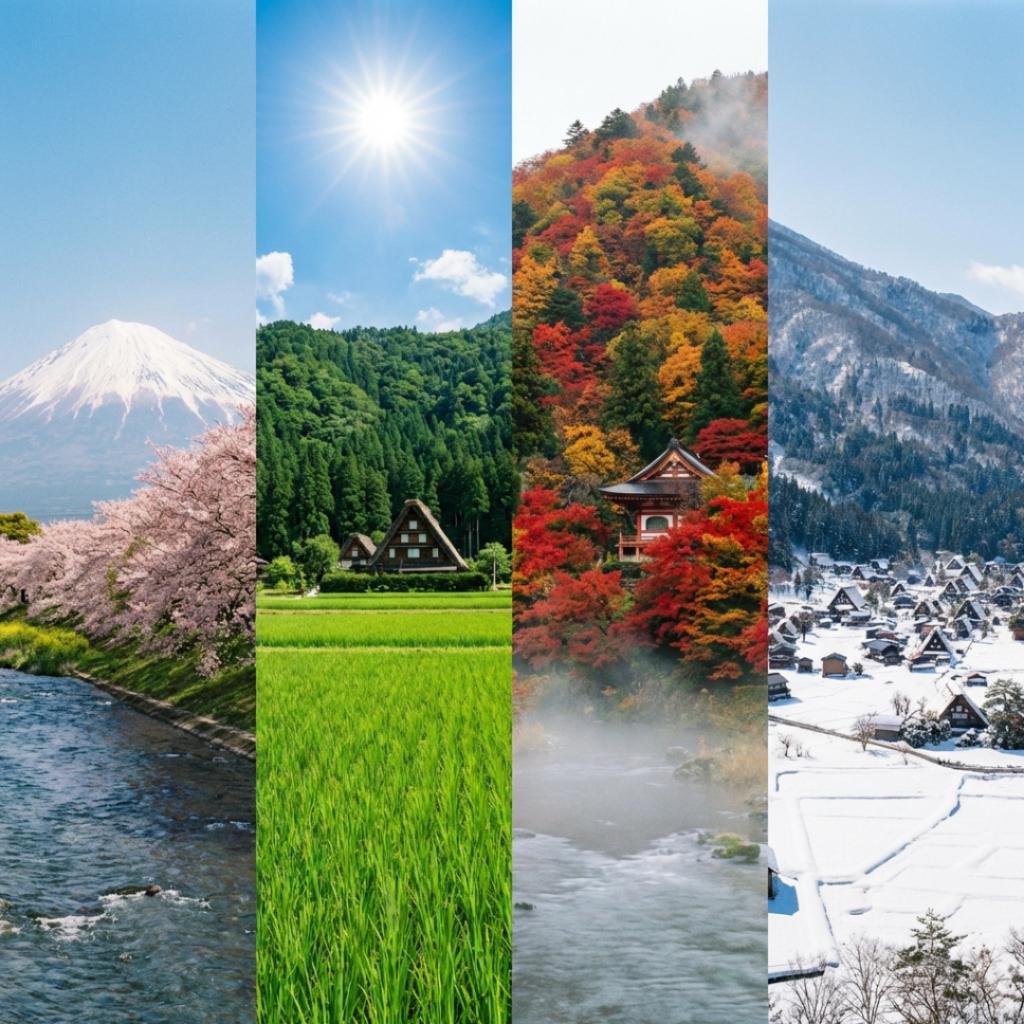
Japan has four very distinct seasons, and the temperature can change drastically depending on when and where you visit. For example, summer in Japan is famous for its extreme humidity, while winter can be surprisingly cold, especially when the wind blows through the city streets.
Before you pack your suitcase, I highly recommend checking a detailed weather forecast for your specific destinations. Don’t just look at the temperature—pay attention to the humidity and the ‘feels like’ temperature. Dressing in layers is the best way to stay comfortable throughout the day, as trains and shops often have strong air conditioning or heating.
Lilia’s Special Tip!
These four seasons are one of Japan’s great characteristics.
In spring, cherry blossoms bloom and the mountains gradually turn green, while in autumn the leaves turn red and then fall as winter approaches.
Seasonal foods also change greatly depending on the time of year, so no matter when you visit, there’s always something special and beautiful waiting for you. Choose clothes that suit the season and enjoy every moment to the fullest!
Final Thoughts
I hope these 6 tips help you feel more prepared and excited for your Japan adventure! To make sure you don’t forget anything while you’re packing, I’ve created a handy PDF checklist for you.
[Download your Free Japan Travel Checklist here!]
Have a wonderful, ‘Kawaii’ trip to Japan! See you in the next post!
If you’re struggling to decide on a travel destination, be sure to check out my travelogue!
Recommended Travelogues
- Adulting at Tokyo DisneySea: My 15-Year Comeback & Fantasy Springs Guide

- Adulting at Tokyo DisneyLand: My 15-Year Comeback Guide

- Atami Travel Guide: Ocean View Onsen & Hatsushima Island

- Dragon Quest Island Guide: Become the Hero in a Real-Life RPG at Nijigen No Mori!
- Ise-Shima 2-Day Itinerary: Why 1 Night is Never